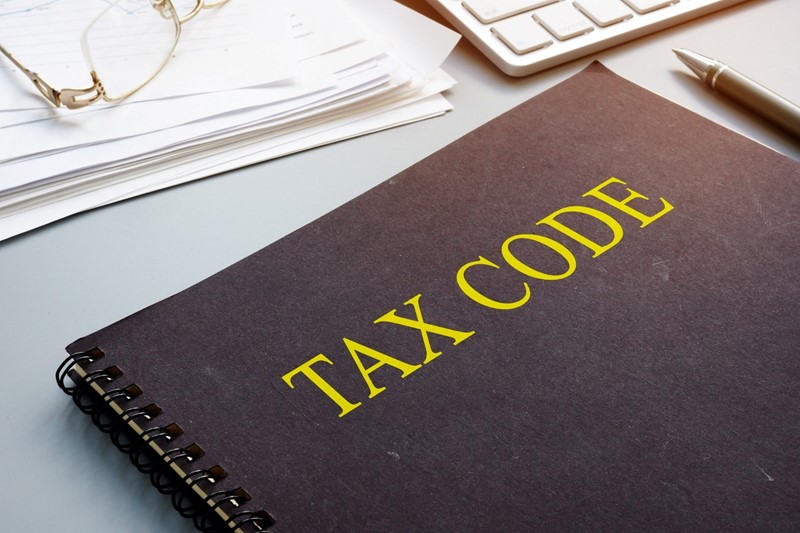
Your tax code tells your employer or pension provider how much Income Tax to deduct from your pay. It is set by HMRC, and you may have a different code for each job or pension.
Most people with one job (or pension) use the code 1257L, which reflects the standard Personal Allowance of £12,570. The numbers show how much tax-free income you are entitled to, while the letters explain your circumstances.
Your tax code can change if your situation changes. Common reasons include starting a new job, receiving a pension or taxable benefits, claiming Marriage Allowance, receiving company benefits, or having unpaid tax from a previous year. HMRC may also update your code if your income details are corrected.
The letters in your code provide further detail. For example, L means you receive the standard Personal Allowance, M or N relate to Marriage Allowance, and BR means income is taxed at the basic rate. Codes ending in W1, M1 or X are emergency tax codes, used when HMRC does not yet have full information.
Emergency codes tax each pay period (such as weekly or monthly) in isolation, which can temporarily lead to overpayments or underpayments of tax. These issues are usually corrected once HMRC updates your records.
A "K" prefix indicates that taxable income or deductions exceed your Personal Allowance. In these cases, your employer will apply the adjustment but cannot take more than half of your pay.
If your tax code looks wrong, you should check your details with HMRC online or through the HMRC app. Once updated, any tax difference will normally be adjusted through your next payslip.